Focus on Psoriasis: Symptoms, Treatment, and When to See a Dermatologist
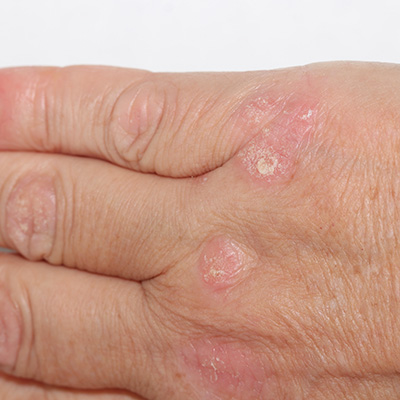 Psoriasis is one of the most common chronic skin conditions we treat at Alaska Family Dermatology, and it is also one of the most misunderstood. It is not contagious, it is not caused by poor hygiene, and it is not something you simply have to live with. Alaska’s long, dark, dry winters can make flares harder to manage, which makes fall a good time to get ahead of it. This guide explains what psoriasis is, what it looks and feels like, how it is treated today, and when to see a dermatologist.
Psoriasis at a Glance
- What it is: a chronic immune-related condition that makes skin cells build up too quickly, forming thick, scaly patches called plaques.
- Is it contagious? No. Psoriasis cannot be spread by touch.
- How common is it? More than 8 million Americans and about 125 million people worldwide have psoriasis, according to the National Psoriasis Foundation.
- Can it be cured? There is no cure, but today’s treatments can clear or nearly clear the skin for many people.
What Is Psoriasis?
Psoriasis is a chronic condition in which an overactive immune system speeds up the life cycle of skin cells. Instead of shedding naturally, the cells pile up on the surface of the skin and form raised, scaly patches that can itch, burn, or feel sore.
The exact cause is not fully understood, but it involves a combination of genetics and the immune system. Psoriasis often runs in families. It can begin at any age, and it most often starts between ages 20 and 30 or between ages 50 and 60. Like many chronic conditions, it tends to cycle, flaring for weeks or months and then easing for a while.
Types of Psoriasis
- Plaque psoriasis: by far the most common type, with raised patches covered in scale.
- Guttate psoriasis: small, drop-shaped spots that often appear in children and young adults after an infection such as strep throat.
- Inverse psoriasis: smooth, inflamed patches in skin folds, such as under the arms or in the groin.
- Pustular psoriasis: a less common type with pus-filled bumps, often on the palms and soles.
- Erythrodermic psoriasis: a rare, serious type that causes widespread redness and peeling.
- Nail psoriasis: pitting, thickening, discoloration, or lifting of the fingernails and toenails.
Common Psoriasis Triggers
Triggers do not cause psoriasis, but they can set off a flare in someone who has it:
- Cold, dry weather and less sunlight, which is why many Alaskans notice more flares in winter
- Infections, especially strep throat
- Skin injuries such as cuts, scrapes, bug bites, or a bad sunburn
- Stress
- Smoking and heavy alcohol use
- Certain medications
What Are the Symptoms of Psoriasis?
Psoriasis looks different from person to person. Common signs and symptoms include:
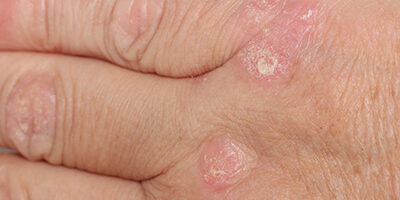
- Raised, well-defined patches of skin covered with silvery-white scale
- Patches that look pink or red on lighter skin, or purple, gray, or brown on darker skin
- Dry, cracked skin that may bleed
- Itching, burning, or soreness
- Thick scale or flaking on the scalp
- Pitted, thickened, or ridged nails
- Stiff, swollen, or painful joints
Plaques most often appear on the elbows, knees, scalp, and lower back, but psoriasis can show up anywhere on the body, including the nails, palms, and soles.
Joint symptoms deserve special attention. About 30% of people with psoriasis develop psoriatic arthritis, which can cause lasting joint damage if it is not treated. Let your dermatologist know if you notice joint pain, swelling, or morning stiffness.
How Is Psoriasis Treated?
Psoriasis treatment aims to slow down skin cell growth, calm inflammation, and clear the skin. Treatment has come a long way, and there are more effective options now than ever. The right plan depends on the type of psoriasis, how much of the body is affected, where it is, and how much it is affecting your life. Options include:
- Topical treatments: prescription steroid creams and ointments, vitamin D-based creams, newer nonsteroid creams, and medicated shampoos for the scalp.
- Phototherapy: controlled light treatments that slow skin cell growth. This can be especially helpful during Alaska winters, when natural sunlight is limited.
- Oral medications: pills that work throughout the body to reduce inflammation and immune activity in moderate to severe psoriasis.
- Biologics: injectable medications that target the specific immune signals driving psoriasis. For many people with moderate to severe disease, biologics produce clear or nearly clear skin.
- Everyday care: regular moisturizing, gentle skin care, stress management, and avoiding known triggers all support your medical treatment.
Alaska Family Dermatology offers both light treatments and biologics for psoriasis, and we treat children as well as adults.
When Should You See a Dermatologist for Psoriasis?
Make an appointment with a dermatologist if:
- You have scaly patches that will not go away and you have never had a diagnosis
- Your psoriasis is spreading, painful, or covering more of your body
- Over-the-counter products are not keeping it under control
- It affects your scalp, nails, face, hands, or skin folds
- You have joint pain, swelling, or stiffness along with your skin symptoms
- It is affecting your sleep, your mood, or your confidence
- Your current treatment has stopped working
Sudden, widespread redness, peeling, or pus-filled bumps, especially with fever or chills, needs urgent medical attention.
Psoriasis Treatment in Anchorage
Psoriasis is a long-term condition, but it does not have to control your life. Early diagnosis and a treatment plan built around you can make a real difference, both for your skin and for your joints. Alaska Family Dermatology offers personalized psoriasis care for children and adults. Schedule an appointment online or call us at 907-268-2067 to get started.
Frequently Asked
Psoriasis
Psoriasis is a chronic immune-related condition that causes skin cells to build up too quickly. The extra cells form raised, scaly patches called plaques that can itch, burn, or feel sore. It tends to flare for a while and then ease.
No. Psoriasis is not an infection and cannot be spread by touch, shared towels, swimming pools, or close contact.
Common triggers include cold and dry weather, infections such as strep throat, skin injuries like cuts or sunburn, stress, smoking, heavy alcohol use, and certain medications. Triggers are different for everyone, and identifying yours is part of a good treatment plan.
For many people, yes. Cold, dry air and indoor heating dry out the skin, and shorter days mean less natural sunlight, which often helps psoriasis. Moisturizing regularly and talking with your dermatologist about phototherapy can help you get through the darker months.
Psoriasis usually forms thicker, well-defined patches with silvery scale, often on the outside of the elbows and knees, the scalp, and the lower back. Eczema is typically more intensely itchy and tends to appear in skin creases, such as the inside of the elbows and behind the knees. The two can look alike, so an exam by a dermatologist is the best way to know which one you have.
Yes. About 30% of people with psoriasis develop psoriatic arthritis, which causes joint pain, swelling, and stiffness. Early treatment helps prevent lasting joint damage, so tell your dermatologist about any joint symptoms.
There is no cure for psoriasis, but it is very treatable. With today's topical treatments, light therapy, oral medications, and biologics, many people achieve clear or nearly clear skin.
Biologics are injectable medications that target the specific parts of the immune system that drive psoriasis. They are generally used for moderate to severe psoriasis or psoriatic arthritis. Your dermatologist can review your health history and help you decide whether a biologic is a good fit.
Yes. About a third of psoriasis cases begin in childhood. Alaska Family Dermatology is home to the only board-certified pediatric dermatologist in Alaska, and we treat psoriasis in children and teens as well as adults.