Sunscreen 101: A Simple Guide to Choosing (and Actually Using) the Right SPF
Even as the days start getting shorter here in Alaska, the sun exposure doesn’t let up right away. UV rays are still strong through late summer, whether you’re out on the water, hiking, or just running errands on a sunny afternoon. Add in cloudy days, high elevation, or an early snowfall reflecting rays back at you, and sunscreen stays one of the easiest and most effective ways to protect your skin from sunburn, premature aging, and skin cancer, including melanoma, all year round. But with so many bottles on the shelf, it’s easy to feel stuck on which one to grab. Here’s a quick rundown of your options, followed by answers to the questions we hear most often from patients.
Types of Sunscreen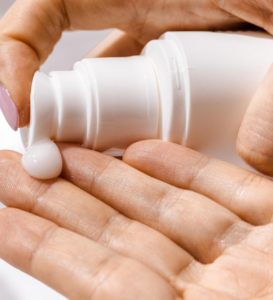
Mineral (physical) sunscreen Made with zinc oxide, titanium dioxide, or both. These sit on top of the skin and work immediately by reflecting UV rays away from the skin. They tend to be gentle on sensitive skin but can sometimes leave a lighter, chalky cast.
Chemical sunscreen Uses ingredients like avobenzone or octocrylene to absorb UV rays and convert them into heat that’s released from the skin. These formulas are typically thinner, blend in clear, and layer easily under makeup, but they need about 15–20 minutes after application to start working.
Hybrid formulas Many everyday sunscreens combine mineral and chemical filters to balance broad-spectrum coverage with a lighter, more wearable finish.
Whichever type you choose, look for two things on the label: broad spectrum (protection against both UVA and UVB rays) and SPF 30 or higher. The best sunscreen is ultimately the one you’ll actually wear every day.
5 Frequently Asked Questions
1. How much sunscreen should I actually be using? Most people apply far less than they need. For your face and neck, aim for about a half-teaspoon. For your whole body, about a shot glass full (roughly one ounce). Don’t forget commonly missed spots like your ears, the back of your neck, your hairline, and the tops of your feet.
2. Do I need sunscreen on cloudy days or in the winter? Yes. Clouds only block a portion of UV rays, and UVA rays, the ones linked to aging and skin cancer, can pass through cloud cover and even car windows. In Alaska, snow reflects UV rays back up at your skin, which is why sunscreen matters just as much on the slopes in February as it does at the lake in July.
3. Is a higher SPF always better? Not by much. SPF 30 blocks about 97% of UVB rays, and SPF 50 blocks about 98%. The bigger factor in how well you’re protected is applying enough sunscreen and reapplying it, ideally every two hours, or right after swimming or heavy sweating.
4. Can sunscreen irritate my skin or cause a reaction? It can, though it’s not common. Certain chemical filters, fragrances, and preservatives are the most frequent culprits. If you have sensitive or reactive skin, a fragrance-free, mineral-only sunscreen is a good place to start. If a rash or irritation keeps happening, we can help you pinpoint what’s causing it.
5. What sunscreen is best for kids? Mineral sunscreens (zinc oxide and/or titanium dioxide) are generally the best-tolerated option for children, since they tend to be gentler and less likely to irritate young skin. For babies under 6 months, keeping them in the shade and covered up is preferred, with sunscreen used only when shade and clothing aren’t enough.
Sunscreen is one of the simplest daily habits for protecting your skin long-term, but it isn’t a substitute for regular skin checks. If it’s been a while since your last skin cancer screening, or if you have a mole or spot that’s changed, schedule a visit with our team, we’re here to help you keep your skin healthy in every season.
Frequently Asked
Sunscreen & Sun Protection
Most people apply far less than they need. For your face and neck, aim for about a half-teaspoon. For your whole body, about a shot glass full (roughly one ounce). Don't forget commonly missed spots like your ears, the back of your neck, your hairline, and the tops of your feet.
Yes. Clouds only block a portion of UV rays, and UVA rays, the ones linked to aging and skin cancer, can pass through cloud cover and even car windows. In Alaska, snow reflects UV rays back up at your skin, which is why sunscreen matters just as much on the slopes in February as it does at the lake in July.
Not by much. SPF 30 blocks about 97% of UVB rays, and SPF 50 blocks about 98%. The bigger factor in how well you're protected is applying enough sunscreen and reapplying it, ideally every two hours, or right after swimming or heavy sweating.
It can, though it's not common. Certain chemical filters, fragrances, and preservatives are the most frequent culprits. If you have sensitive or reactive skin, a fragrance-free, mineral-only sunscreen is a good place to start. If a rash or irritation keeps happening, we can help you pinpoint what's causing it.
Mineral sunscreens (zinc oxide and/or titanium dioxide) are generally the best-tolerated option for children, since they tend to be gentler and less likely to irritate young skin. For babies under 6 months, keeping them in the shade and covered up is preferred, with sunscreen used only when shade and clothing aren't enough.