Rosacea Awareness Month in 2026 – What is Rosacea and How to Treat It
April is Rosacea Awareness Month, a time dedicated to educating patients about this common yet often misunderstood skin condition. Rosacea affects millions of people and can have a significant impact on both skin health and confidence. The good news is that with proper diagnosis and treatment, rosacea can be effectively managed.
What is Rosacea?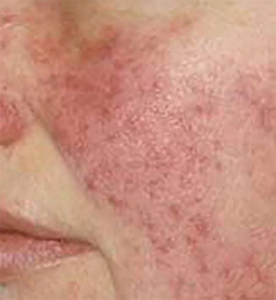
Rosacea is a chronic inflammatory skin condition that most commonly affects the face, particularly the cheeks, nose, chin, and forehead. It often begins with a tendency to blush or flush more easily than others, but over time, it can progress into more persistent redness and visible blood vessels.
While rosacea can affect anyone, it is most frequently seen in adults over the age of 30, especially those with fair skin. Because its symptoms can mimic other skin concerns like acne or sensitivity, many people go undiagnosed or untreated. Early recognition and care from a dermatologist can make a significant difference in managing symptoms and preventing progression.
Rosacea Symptoms and Signs
Rosacea can present in different ways, and symptoms may vary from person to person. Common signs include:
-
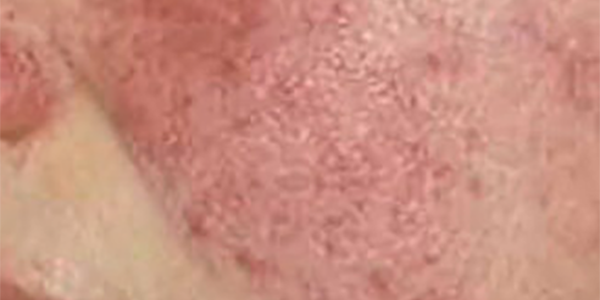
Persistent facial redness
A constant redness across the central face that may resemble a sunburn. -
Flushing or blushing easily
Episodes of sudden redness triggered by heat, stress, or certain foods. -
Visible blood vessels (telangiectasia)
Small, broken blood vessels that become noticeable on the skin’s surface. -
Bumps and pimples
Acne-like breakouts that can be tender and inflamed. -
Skin thickening
In more advanced cases, especially around the nose (rhinophyma), the skin may become thicker and uneven. -
Burning or stinging sensation
Skin may feel sensitive, irritated, or warm to the touch. -
Dry or rough skin patches
The skin may feel dry, flaky, or develop rough texture. -
Eye irritation (ocular rosacea)
Red, watery, or irritated eyes, sometimes with a gritty feeling.
Rosacea Causes
The exact cause of rosacea is not fully understood, but it is believed to be the result of a combination of genetic and environmental factors. Common contributors and triggers include:
-
Genetics
A family history of rosacea can increase the likelihood of developing the condition. -
Immune system response
An overactive immune response may contribute to inflammation in the skin. -
Environmental triggers
Sun exposure, extreme temperatures, and wind can worsen symptoms. -
Dietary factors
Spicy foods, alcohol (especially red wine), and hot beverages are common triggers. -
Stress and emotions
Emotional stress can lead to flushing and flare-ups. -
Microorganisms
Certain skin mites (Demodex) and bacteria may play a role in triggering inflammation.
Understanding your personal triggers is a key part of managing rosacea effectively.
Dermatologist-Recommended Treatments
In addition to professional care, lifestyle adjustments and gentle skincare can help manage rosacea:
-
Use gentle, fragrance-free skincare products
Avoid harsh ingredients that can irritate sensitive skin. -
Apply daily sunscreen (SPF 30+)
Sun protection is essential to prevent flare-ups. -
Identify and avoid triggers
Keep track of foods, weather, or habits that worsen symptoms. -
Cleanse with lukewarm water
Hot water can aggravate redness and irritation. -
Moisturize regularly
Helps maintain the skin barrier and reduce sensitivity. -
Avoid over-exfoliating
Scrubs and strong exfoliants can worsen inflammation. -
Manage stress
Stress-reduction techniques can help minimize flare-ups. -
Use a humidifier in dry climates
Helps prevent skin dryness and irritation—especially important in Alaska.
When to See a Dermatologist
If you are experiencing persistent redness, irritation, or acne-like breakouts that don’t improve with over-the-counter products, it may be time to see a specialist. Rosacea is a chronic condition, but with the right care plan, it can be effectively controlled.
At Alaska Family Dermatology, we specialize in diagnosing and treating rosacea for patients of all ages. Our team can help you identify triggers, create a personalized treatment plan, and restore your skin’s health and confidence.
Schedule an appointment today and take the first step toward clearer, calmer skin.
Frequently Asked
Rosacea
Rosacea is a chronic inflammatory skin condition that mainly affects the face — especially the cheeks, nose, chin, and forehead. It often starts as easy blushing or flushing and can progress to persistent redness and visible blood vessels over time.
Rosacea can affect anyone, but it's most common in adults over 30, particularly those with fair skin. Because it can resemble acne or general skin sensitivity, it often goes undiagnosed or untreated.
Common symptoms include persistent facial redness, easy flushing, visible blood vessels, acne-like bumps, skin thickening in advanced cases, a burning or stinging sensation, dry or rough patches, and eye irritation known as ocular rosacea.
The exact cause isn't fully understood, but genetics, immune system response, environmental triggers like sun and wind, dietary factors such as spicy food and alcohol, stress, and skin microorganisms like Demodex mites are all believed to play a role.
Rosacea is a chronic condition, but it can be effectively managed with the right diagnosis, trigger identification, and treatment plan, including gentle skincare, daily sunscreen, and lifestyle adjustments.
Use gentle, fragrance-free skincare products, apply SPF 30+ daily, cleanse with lukewarm rather than hot water, moisturize regularly, avoid over-exfoliating, manage stress, and use a humidifier in dry climates like Alaska.